Packing and removals delays common problems in Dagenham
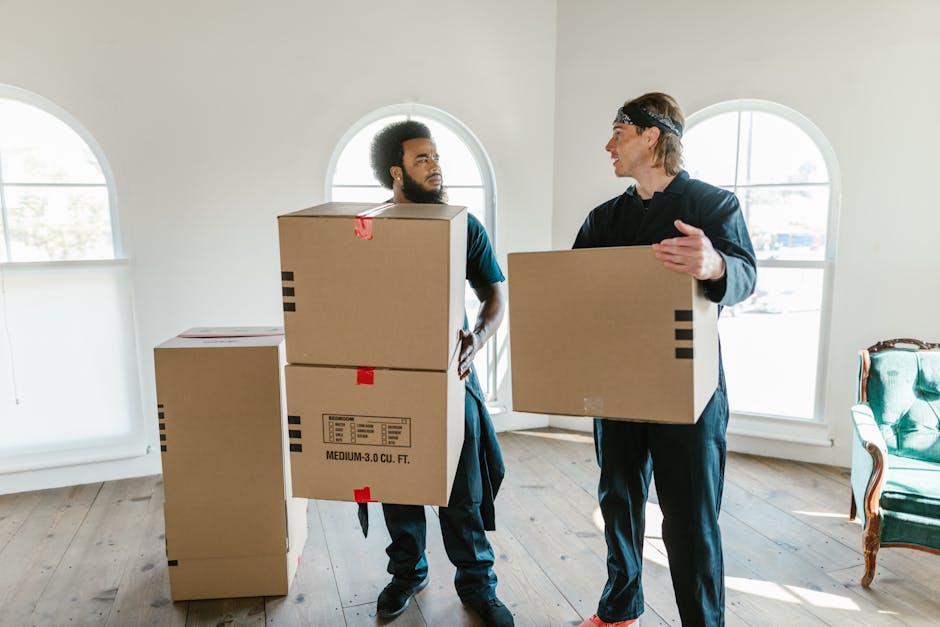
If you've ever moved house or business premises, you'll know how quickly a simple plan can unravel. Boxes run late. The van arrives and suddenly half the loft is still unpacked. Someone cannot find the kettle, the hallway is blocked, and the day starts slipping away. That is exactly why Packing and removals delays common problems in Dagenham matter so much: they are not just annoying, they can affect costs, access, settlement times, and your sanity.
In Dagenham, where homes, flats, terraces, estates, and commercial premises can all present different access issues, small delays often snowball. This guide breaks down why those delays happen, how they affect your move, and what you can do to stay in control. You'll also find practical steps, a checklist, a comparison table, and straightforward answers to the questions people really ask. No fluff. Just the stuff that helps on moving day.
- Why it matters
- How delays happen
- Key benefits of getting ahead of delays
- Who needs this advice
- Step-by-step guidance
- Expert tips
- Common mistakes to avoid
- Tools, resources and recommendations
- Law, compliance and best practice
- Options and comparison table
- Real-world example
- Practical checklist
- Conclusion
- Frequently asked questions
Why Packing and removals delays common problems in Dagenham Matters
Let's face it: most people do not think about timing until timing starts going wrong. But in a move, timing is everything. A delay in packing can hold up loading. A delay in loading can hold up travel. A delay in arrival can leave you waiting outside a property, juggling keys, call-backs, and a very tired family. That is why packing and removals delays are such a common pain point in Dagenham and across East London generally.
Dagenham moves often involve a mix of property types and local conditions. You might be dealing with narrow parking, shared entrances, lift access, upper-floor flats, or busy roads where loading has to be done in tight windows. Even a well-organised move can slow down if boxes are not labelled, furniture is not dismantled in advance, or the team cannot access the loading point quickly enough.
There's also the stress factor. Delays make people rush, and rushing leads to breakages, forgotten items, and poor decisions. A plant left on the windowsill. A box that was meant to contain documents but now seems to contain three remote controls and a toaster. Funny afterwards, less funny at 8 a.m. on moving day.
What makes this topic important is that delays are rarely caused by one giant problem. More often, it's a chain of small ones: poor packing materials, unclear room labelling, underestimating the volume of belongings, or not allowing enough time for furniture and fragile items. Once you understand those weak points, you can plan around them properly.
Key takeaway: Most packing and removals delays are preventable. The real advantage comes from preparing early, packing in stages, and reducing decision-making on the day itself.
How Packing and removals delays common problems in Dagenham Works
To understand delays properly, it helps to break the moving process into stages. Each stage has its own risks, and in a busy area like Dagenham those risks can stack up quickly.
1. Packing begins later than planned
This is the classic one. Packing seems easy until you start. Then every cupboard opens into a memory, a mess, or both. People tend to leave packing too close to moving day because they underestimate how long it takes to sort, wrap, label, and box everything safely. By the time the van is due, they are still dealing with books, cables, kitchenware, and the one drawer everyone forgets to empty.
2. Boxes are packed poorly
Poorly packed boxes slow everything down. Overfilled boxes are hard to lift. Underfilled boxes collapse. Unlabelled boxes create confusion at both ends of the move. Fragile items packed without enough padding may need to be repacked on the spot, which is a time-killer no one enjoys.
3. Loading takes longer than expected
Loading delays often happen because items are still being carried downstairs while the vehicle is waiting outside. Sometimes the route from property to van is awkward. Sometimes parking is further away than expected. Sometimes there is simply more stuff than the original estimate allowed for. That last one crops up more often than people admit.
4. Access problems slow the team down
In many Dagenham properties, access details matter a lot. If lift access is shared, if the entrance is narrow, or if parking needs to be arranged carefully, each trip in and out takes longer. A single missing parking plan can set the tone for the whole day.
5. The destination is not ready
Even if you leave on time, the new property may not be ready for immediate unloading. Keys may be delayed. The space may still need cleaning. Rooms may not be cleared. In those moments, boxes end up stacked in hallways and the whole move feels more chaotic than it should.
So how does this play out in real life? Quite simply, one weak link affects the next. Late packing leads to late loading. Late loading leads to a late arrival. And once the clock starts slipping, every extra minute feels heavier than it really is. Truth be told, moving day has a way of making five minutes feel like twenty.
Key Benefits and Practical Advantages
Getting on top of packing and removals delays is not just about avoiding stress, although that alone is worth something. There are several practical benefits that make a proper plan worthwhile.
- Less risk of damage: Careful packing means fewer smashed glasses, bent lampshades, and scuffed furniture legs.
- Better use of time: A well-structured move keeps everyone moving in the same direction, rather than standing around waiting for decisions.
- Lower chance of last-minute costs: Delays can create extra labour time, extra waiting, or repeat trips in some circumstances.
- Improved access control: If you know where the van will park and how items will leave the property, you reduce bottlenecks.
- Less emotional pressure: It is easier to stay calm when the boxes are labelled and the essentials are already separated.
There is also a subtle but important benefit: good preparation gives you a sense of control. That matters more than people think. A move is one of those life events where small signs of order-taped boxes, a labelled charger bag, the kettle already in the essentials box-can make the whole day feel more manageable.
If you are comparing removal support options, it helps to look at service scope as well as timing. For example, some people only need a straightforward man and van arrangement, while others benefit from broader removal services that include more structured support. And if you want help getting fragile items boxed properly, packing and unpacking services can save a surprising amount of time.
Who This Is For and When It Makes Sense
This advice is useful for anyone planning a move, but it is especially relevant if you recognise one of these situations:
- You are moving from a flat and access is tight.
- You have a lot of bulky furniture or awkward items.
- You work full-time and can only pack in short bursts.
- You are moving on a fixed date with little room for delay.
- You are a landlord, tenant, homeowner, or business owner trying to coordinate several people at once.
- You need a local move with same-day turnaround and little margin for error.
It also makes sense if you have had a poor moving experience before. Maybe the last time felt rushed. Maybe boxes were still open when the van arrived. Maybe no one could find the scissors to cut the tape, which sounds trivial until you're standing in the kitchen at 7:15 a.m., wondering why the tape roll has vanished like a magician's assistant.
Commercial moves have their own version of this problem. In office settings, delays can affect staff handover, IT equipment, paperwork, and service continuity. If that sounds familiar, looking at office removals or broader commercial moves can help you think more strategically about timing and sequencing.
Step-by-Step Guidance
If your goal is to reduce delays, the easiest way is to treat the move like a small project rather than one giant stressful day. Here's a clean process that works in practice.
Step 1: Sort early and be realistic
Start by separating what is going, what is being donated, what is being recycled, and what needs special handling. This stops you packing rubbish by accident, which happens more than people admit. Be honest with yourself too: if you haven't used something in two years, do you really want to load it, move it, and unpack it?
Step 2: Pack by room, not by mood
Packing randomly leads to chaos later. Room-by-room packing makes it easier to unload and unpack in a sensible order. Keep similar items together and label each box clearly with the room and rough contents. A label like "kitchen - mugs and kettle" is far better than "miscellaneous." Miscellaneous means nothing on a tired moving day.
Step 3: Prepare essentials separately
Keep a small essentials kit with documents, chargers, basic toiletries, medication, a change of clothes, tea bags, a kettle if needed, snacks, and any pet or child essentials. This kit should travel with you, not disappear into the back of the van. That one box can save your evening.
Step 4: Measure and plan access
Check door widths, stair turns, lift use, and parking before moving day. If you have large furniture, make sure it can physically exit the property without drama. If parking is tight, plan where the van can wait safely. Small access checks can prevent the kind of delay that spreads to the rest of the day.
Step 5: Dismantle bulky furniture in advance
Large beds, wardrobes, and table legs often slow a move more than the owners expect. If it can be taken apart safely before moving day, do it. Keep screws, bolts, and fittings in clearly labelled bags taped to the relevant item.
Step 6: Confirm timing and contact details
This sounds basic, and it is. But basic things matter. Confirm arrival windows, building access times, phone numbers, and any restrictions well before the day. If there is a delay, good communication can stop it becoming a bigger delay.
Step 7: Build in buffer time
Do not plan a move right to the edge of the clock. Add a bit of breathing room. A buffer is not wasted time; it is what keeps the whole day from tipping over when one box turns out to be heavier than expected.
Expert Tips for Better Results
Here's where the practical experience really helps. These are the small habits that often separate a smooth move from a messy one.
- Use stronger tape than you think you need. Weak tape is false economy. Box bottoms give way at exactly the wrong moment, usually on the stairs.
- Label three sides of each box. That way the label is visible no matter how it gets stacked.
- Pack heavier items in smaller boxes. Books and tools become unmanageable fast if you overdo it.
- Take photos of cable setups. It sounds dull, but it saves time when reconnecting TVs, computers, and routers.
- Keep hardware with the furniture. Bag it, tape it, tag it.
- Do the kitchen first if you are short on time. It usually contains the most fragile and awkward items, so leaving it to the last minute is asking for trouble.
- Use colour coding if there are multiple rooms or people involved. Even a simple sticker system makes unloading quicker.
And one more thing: do not aim for perfect. Aim for clear, safe, and workable. A move does not need to be Instagram-ready. It needs to be efficient. There is a difference, and frankly, the van driver does not care if your storage boxes are colour-matched.
If you're comparing providers, look at practical features, not just a headline price. Removal company support, packing help, and local flexibility often matter more than a tiny difference in quote. For some moves, a removal van or moving van is enough. For larger or more complex jobs, the right size vehicle and the right team can make all the difference.
Common Mistakes to Avoid
Most moving delays come from a handful of predictable errors. The good news? They are avoidable if you spot them early enough.
Leaving packing until the final evening
This is the biggest one. People tell themselves they will "do most of it tomorrow," and tomorrow becomes moving day. That is when delays pile up.
Underestimating how much there is to move
What looks like a modest flat can turn into a surprising number of boxes, bags, and loose items once you start pulling everything together. Cupboards are sneaky like that.
Packing fragile items with no structure
Random packing wastes time later and increases breakage risk. Put fragile items in protective wrapping, group them carefully, and mark them clearly.
Not setting aside tools and supplies
Where is the tape? The marker? The Allen key? The answer should not be "somewhere in the kitchen." Keep your packing kit together from the start.
Forgetting about loading access
Items can be ready and still cause delays if they cannot get to the vehicle smoothly. Parking, stairs, and entry routes need proper thought.
Assuming everything will fit without measuring
A wardrobe that looked manageable in the bedroom can become a nightmare in a narrow hall. Measure first. It saves headaches later.
Not checking the destination
If the new place is not ready, you may need a temporary holding plan. That is much better than discovering the issue while the van is already half unloaded.
Tools, Resources and Recommendations
You do not need fancy gear to avoid delays, but a few practical tools make a real difference.
- Sturdy boxes: Use similar-sized boxes where possible so they stack neatly.
- Packing tape: Buy more than you expect to use. You will use it.
- Permanent marker pens: Clear labelling is one of the cheapest time-savers available.
- Bubble wrap or paper: Useful for breakables, mirrors, and awkward items.
- Furniture blankets: Good for protecting larger items and reducing damage during loading.
- Zip bags for screws and fittings: Small thing, massive win.
- Notes app or moving checklist: A simple running list works better than memory when your day gets busy.
If you want a service that includes hands-on help with boxed items, packing and unpacking services can be especially useful when time is tight. For longer-distance or larger property moves, some people also look at home moves or house removals depending on the amount of support needed.
One practical recommendation: keep a master moving folder. Paper or digital, doesn't matter. Put in your quote, contact details, key dates, inventory notes, meter readings, and any special instructions. It sounds a bit organised for the average week, I know, but it saves real time when things get busy.
Law, Compliance, Standards, or Best Practice
For most domestic moves, the most relevant issues are practical rather than legal. Still, a few best-practice points matter.
If you are moving in a managed building, check building rules about access, lift bookings, loading bays, or time restrictions. Some blocks and estates in London have specific move windows, and it is better to know that early than to find out from a neighbour in a hurry.
Health and safety also matters. Heavy lifting, awkward stairs, and tight corridors create real injury risk if people rush. Safe handling, sensible team work, and appropriate equipment are not optional extras; they are part of a responsible move. Reputable firms will normally follow their own health and safety procedures and keep insurance considerations in mind.
Insurance deserves a quick mention too. Even with careful packing, accidents can happen. That is why it makes sense to understand what is covered, how fragile items are handled, and what you are responsible for packing yourself. If you want to review those practical details, pages such as insurance and safety and health and safety policy are useful starting points.
There is also a quieter best practice around honesty. If you have stairs, awkward access, or unusually heavy items, say so early. It helps avoid delay on the day and allows the job to be planned properly. That is not red tape; that is common sense, really.
Options, Methods, or Comparison Table
Different moves need different levels of support. The right option depends on how much you own, how quickly you need to move, and how much of the packing you want to do yourself.
| Option | Best for | Main advantage | Potential delay risk |
|---|---|---|---|
| Self-packing with a van-only move | Smaller moves, flexible schedules | Lower cost and simple control | Packing mistakes and last-minute scrambling |
| Man and van support | Medium moves or mixed access properties | Good balance of help and flexibility | Underestimating volume or access issues |
| Full removal service | Larger household moves or busy households | More structured handling and coordination | Can still be slowed by poor preparation |
| Packing and unpacking add-on | Time-poor households or fragile items | Reduces packing pressure and speeds readiness | Needs clear instructions and labelling |
There is no single best choice. If you are moving a compact flat and have a week to organise, a smaller service may be enough. If you are moving family furniture, kitchenware, and storage items at the same time, a fuller service may be the calmer choice. The point is to match the method to the reality of the move, not the ideal version of it in your head.
Case Study or Real-World Example
Here's a simple, realistic example. A family in Dagenham was moving from a two-bedroom flat to a house not far away. On paper, it was a straightforward local move. But they had left packing until two days before moving day, and the kitchen alone filled far more boxes than expected. The hall also had a narrow turn, which meant bulky furniture could not just be carried straight out.
They solved it by splitting the move into clear stages: first the essentials, then non-breakables, then furniture dismantling, then final load-up. They also labelled every box by room and kept a separate bag for chargers, keys, and documents. That one change cut confusion dramatically. The move still took longer than a perfectly prepared job would have done, but the day stayed controlled instead of collapsing into panic.
What mattered most was not speed for speed's sake. It was reducing friction. Fewer questions. Fewer trips. Fewer "where did that go?" moments. A small adjustment in planning made the whole experience feel less heavy. That is often how it works in real life. Not flashy. Just better organised.
Practical Checklist
Use this checklist in the final days before your move. It is intentionally simple, because simple gets used.
- Confirm moving date, arrival time, and contact details.
- Check parking and access arrangements at both properties.
- Finish packing non-essentials early.
- Label every box clearly with room and contents.
- Pack fragile items with proper padding.
- Separate essentials for day one.
- Dismantle bulky furniture where needed.
- Keep screws, bolts, and fittings in labelled bags.
- Protect floors and door frames if the property requires it.
- Measure awkward furniture against exits and stairways.
- Set aside refreshments, chargers, and documents.
- Have a backup plan for delays, especially if access is restricted.
If you can tick most of those items off, you are already ahead of many moves. And honestly, that helps more than people expect. A little structure goes a long way.
Conclusion
Packing and removals delays common problems in Dagenham because moving is a chain of small tasks, and any weak link can slow the whole day. The good news is that most delays are manageable with early preparation, clear labelling, realistic timing, and a proper understanding of access at both ends.
Whether you are moving a home, a flat, or a business space, the same principle applies: reduce uncertainty. The more you prepare before moving day, the less likely you are to be caught off guard by boxes, stairs, parking, or last-minute missing items. It does not have to be perfect. It just has to be organised enough to keep the day moving.
If you want less stress and more certainty on moving day, make the plan early and keep the essentials within reach. Small steps now can save a lot of trouble later, and that calm feeling when the last box is in place? Worth it.
Get a free quote today and see how much you can save.
Frequently Asked Questions
Why do packing and removals delays happen so often?
They usually happen because packing takes longer than expected, access is not fully planned, or too many tasks are left to the last minute. Small delays stack up quickly.
How far in advance should I start packing for a move in Dagenham?
If you can, start with non-essentials a couple of weeks ahead. Even a few early boxes make moving day much easier. Kitchen and storage items usually need the most time.
What is the biggest cause of removals delays?
Late packing is one of the biggest causes, followed closely by poor access planning. A van can be on time and still lose the day if the property is not ready for loading.
Can a man and van service help reduce delays?
Yes, especially for smaller or more flexible moves. A man and van setup can work well when the packing is already organised and the load size is manageable.
What should I pack first to avoid moving-day stress?
Start with items you do not use daily: seasonal clothes, books, decorations, spare linens, and stored items. Leave daily-use essentials for the final stage.
How do I avoid damage when packing in a hurry?
Use strong boxes, enough padding, and clear labels. If an item is fragile, give it proper space and protection rather than forcing it into a box that is too small.
What if the new property is not ready on time?
Always have a backup plan. Keep essentials with you and speak early with the moving team if access changes. A small delay is easier to manage if you are not relying on every minute being perfect.
Are packing services worth it for a local move?
They can be, especially if you are short on time, moving a busy household, or dealing with fragile belongings. Packing and unpacking services are often valued more for the time they save than for the packing itself.
How do I know if I need a bigger vehicle?
If you have large furniture, multiple rooms of belongings, or awkward items, it is worth reviewing the load size carefully. Underestimating the vehicle is a common source of delay.
What should I do with screws and fittings from dismantled furniture?
Put them in a labelled bag and tape that bag to the correct furniture item or store it in a clearly marked box. That tiny bit of discipline saves a lot of searching later.
Does better labelling really make a difference?
Absolutely. Clear labels speed up loading, unloading, and unpacking. They also reduce the number of questions on the day, which helps the whole move feel calmer.
Where can I check costs and service options before booking?
You can review pricing and quotes to understand how service choices may affect your move. It is usually best to compare options before the pressure of moving day sets in.